
The Delta State Attorney-General and Commissioner for Justice, Ekemejero Ohwovoriole, SAN, has outlined the Ministry of Justice’s strategic priorities for 2026, with a strong focus on digital transformation, enhanced prosecution, and strengthened legal frameworks.
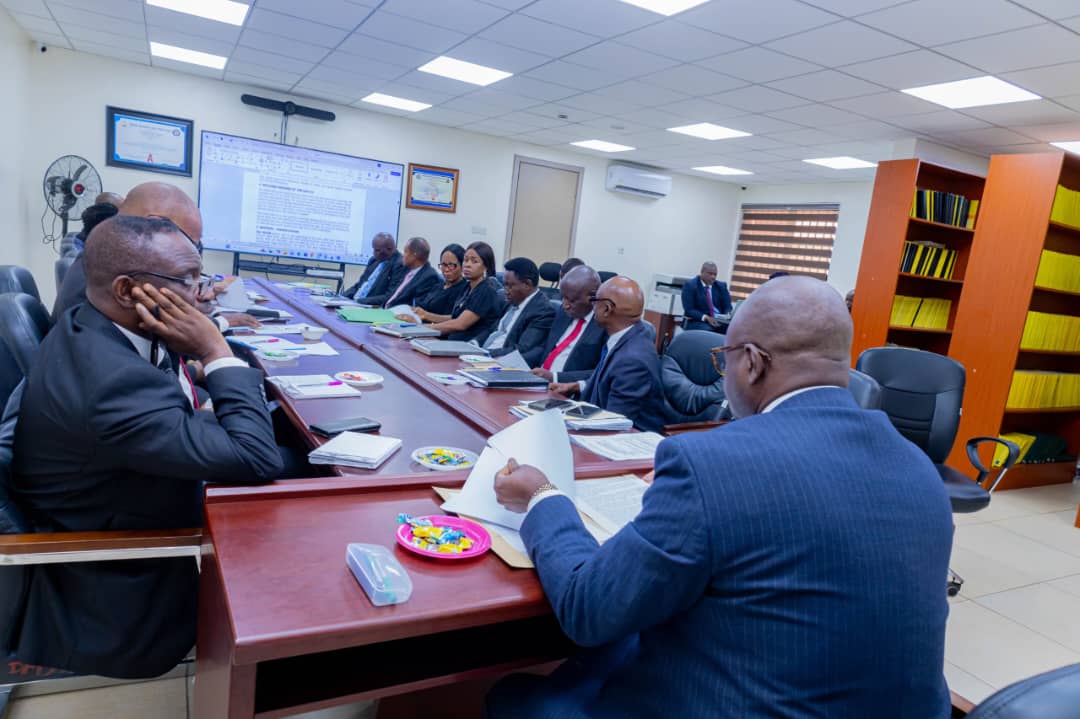
Ohwovoriole disclosed this at the Ministry’s first management meeting of the year, held at its headquarters in Asaba, which brought together directors and senior management staff to review the Ministry’s mandate and align departmental operations with government policy objectives aimed at improving efficiency, accountability, and service delivery within the justice sector.
Addressing the meeting, the Attorney-General reaffirmed the Ministry’s commitment to technology-driven reforms to modernise justice administration. He revealed that work is progressing on the deployment of a Criminal Information System designed to centralise criminal records, prosecution data, and case histories across the state.
He also announced ongoing development of a comprehensive Case Management System, aimed at improving case tracking, reducing delays, and supporting evidence-based decision-making.
Ohwovoriole further stated that virtual court hearings have become a permanent feature of the justice system, noting that their continued expansion would enhance access to justice, decongest courtrooms, and promote more efficient use of time and resources in line with global best practices.
On security-related prosecutions, the Attorney-General placed emphasis on the already established Anti-Drug Unit within the Ministry of Justice, tasked with supporting law enforcement agencies in combating drug-related offences. He directed that cases handled by the unit must receive priority attention and be prosecuted with professionalism, given the grave social and security implications of drug abuse and trafficking.
He also disclosed that the Delta State Government has amended the Anti-Cult Law to strengthen its effectiveness and ensure more robust enforcement. According to him, the amendment responds to evolving patterns of cult-related activities and enhances the capacity of prosecutors to secure successful convictions. He charged legal officers to familiarise themselves with the amended law and ensure its diligent and consistent application.
Reiterating the Ministry’s zero-tolerance stance on child trafficking, sexual offences, and related crimes, Ohwovoriole described the protection of children as a fundamental responsibility of government. He urged legal officers to pursue such cases diligently and collaborate closely with relevant agencies to ensure justice for victims.
On appellate litigation, the Commissioner stressed that appeals must be handled with utmost seriousness, particularly in cases expected to be resolved in favour of the state. He directed management to strengthen internal review mechanisms, improve legal strategies, and ensure timely and thorough preparation in all appellate matters to safeguard government interests and uphold the integrity of the justice system.

The Attorney-General also reaffirmed the Ministry’s commitment to staff welfare and recognition, noting that dedication, excellence, and outstanding performance would be acknowledged and rewarded. He added that continuous capacity building and improved welfare are essential to sustaining morale and enhancing productivity.
In their responses, members of the management team expressed support for the reform agenda and pledged their commitment to its effective implementation.
The meeting concluded with a call for discipline, accountability, and results-oriented leadership as the Ministry of Justice begins the year’s activities with renewed focus on digital innovation, effective prosecution, and the protection of the public interest.